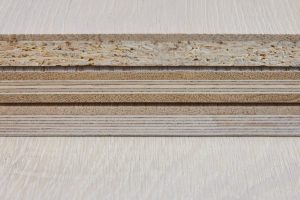
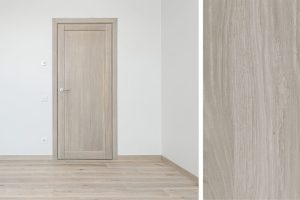
In today’s construction, architecture, and interior design market, sustainability is no longer optional – it is both a responsibility and, in many cases, a requirement. When choosing oak doors, stairs, flooring, or other wood products, environmental credibility matters just as much as beauty and quality. One of the most widely recognized global standards for responsible forestry is FSC (Forest Stewardship Council) certification.
This article explains which type of FSC certification Ecowood, an oak products manufacturer, holds, why it matters, and what you should consider when selecting wood products.
What Is FSC?
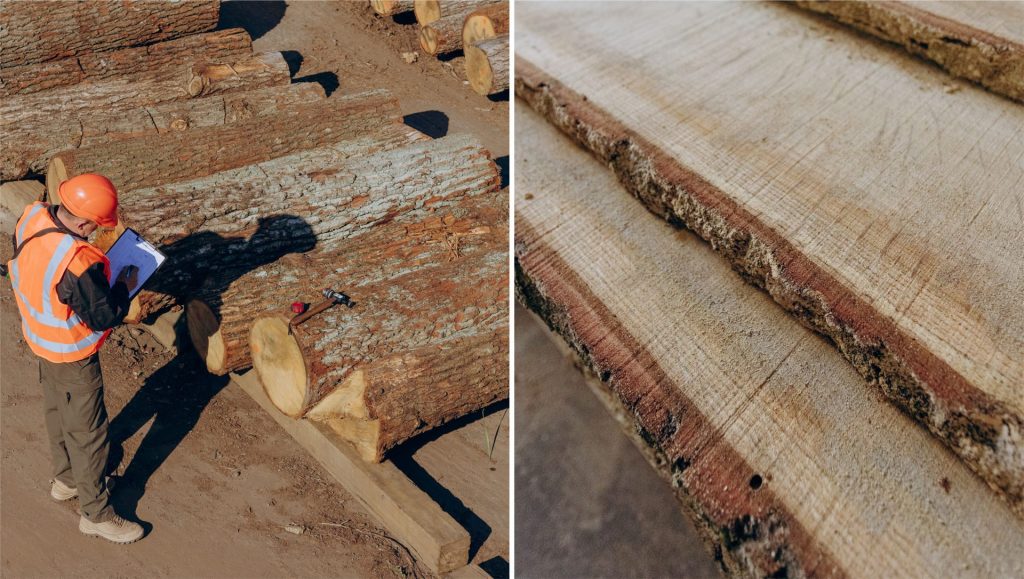
FSC is an international organization that ensures wood comes from responsibly managed forests. In simple terms:
- Forests are not illegally logged
• Trees are replanted
• Wildlife is protected
• Workers are treated fairly
• Forests remain healthy for future generations
Why Is FSC Important?
Environmental protection. FSC certification helps protect forests by preventing illegal logging, preserving biodiversity, and promoting responsible forest management practices that ensure forests can regenerate and continue to support ecosystems for future generations.
Legal compliance. FSC-certified wood helps support responsible sourcing and traceability expectations under applicable timber regulations by ensuring the timber is legally sourced and traceable, significantly reducing the risk of illegal wood entering the supply chain.
Responsible construction. Using FSC-certified wood products supports sustainable building practices and can contribute to green building certifications such as LEED and BREEAM, while also helping companies strengthen their ESG (Environmental, Social, and Governance) commitments and reporting.
What Does Ecowood’s FSC Certificate Confirm?
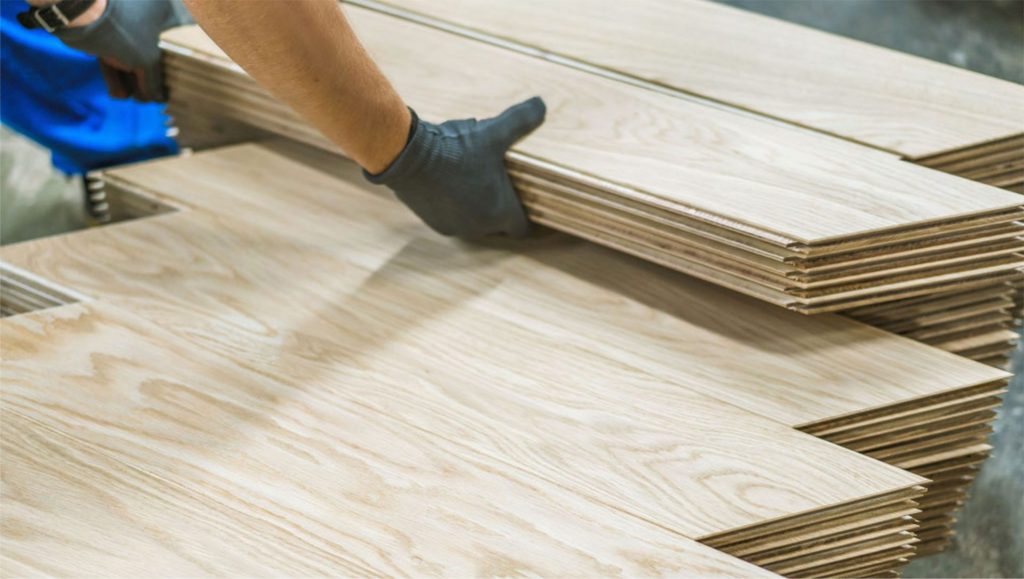
Ecowood holds an official FSC Chain of Custody (CoC) certificate, which confirms that the company is independently audited and authorized to manufacture and sell FSC-certified wood products, including:
This certification ensures that FSC-certified wood is properly tracked and verified throughout the entire production process – from the original supplier to the final product.
The FSC system includes several material classifications:
- FSC 100%– all wood comes from FSC-certified forests
• FSC Mix – a combination of certified and controlled sources
• FSC Recycled – made from reclaimed materials
Ecowood is certified to supply oak products with FSC 100% claims, meaning the wood used originates entirely from responsibly managed FSC-certified forests.
What Homeowners and Professionals Should Know

When buying oak flooring, stairs, or doors, FSC certification provides confidence that the wood comes from responsibly managed forests and that its origin is properly verified, helping ensure responsible sourcing and better long-term value.
Before purchasing, it is advisable to confirm several details with the supplier, including their FSC license code, the validity of the certificate, whether the invoice includes the correct FSC claim, and whether the specific product type is listed within the certificate’s scope.
For architects, designers, and construction professionals, FSC certification is also important because it supports sustainable material specification, contributes to green building certification systems, provides transparent documentation for projects, and helps meet procurement requirements, particularly in public or environmentally focused developments where FSC-certified timber is often required.
How to Choose High-Quality Oak Products
While FSC certification confirms that the wood comes from responsibly managed forests, it does not by itself guarantee the quality or durability of the final product. When selecting oak doors, stairs, flooring, or other wood elements, it is also important to evaluate the manufacturer’s production standards and expertise.
Key factors to consider include:
- Production experience– manufacturers with long-term expertise are more likely to deliver consistent quality.
• Wood drying process – properly dried oak ensures stability and reduces the risk of warping or cracking.
• Technical specifications – clear details about materials, construction methods, and product performance indicate transparency and professionalism.
• Precision manufacturing – modern machinery and skilled craftsmanship improve product accuracy and finish quality.
• Quality control systems – strict inspection processes help maintain consistent standards across all products.
• Installation guidance – reliable manufacturers provide instructions or support to ensure correct installation.
The best suppliers combine responsibly sourced wood with precise manufacturing and strong quality control, ensuring oak products that are both sustainable and built to last.