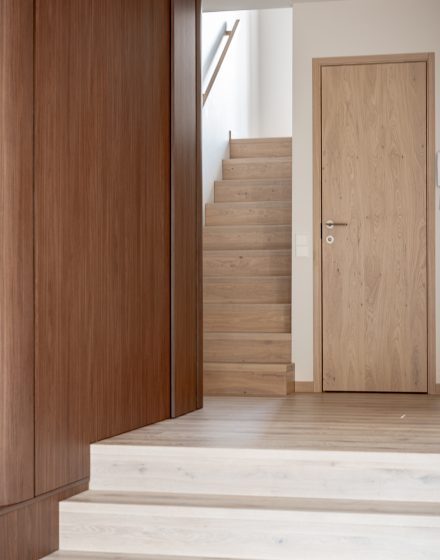
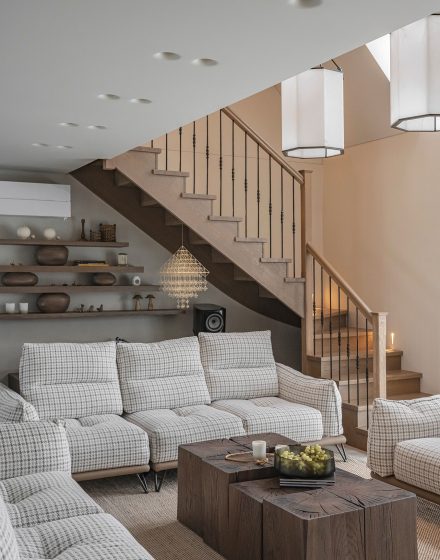
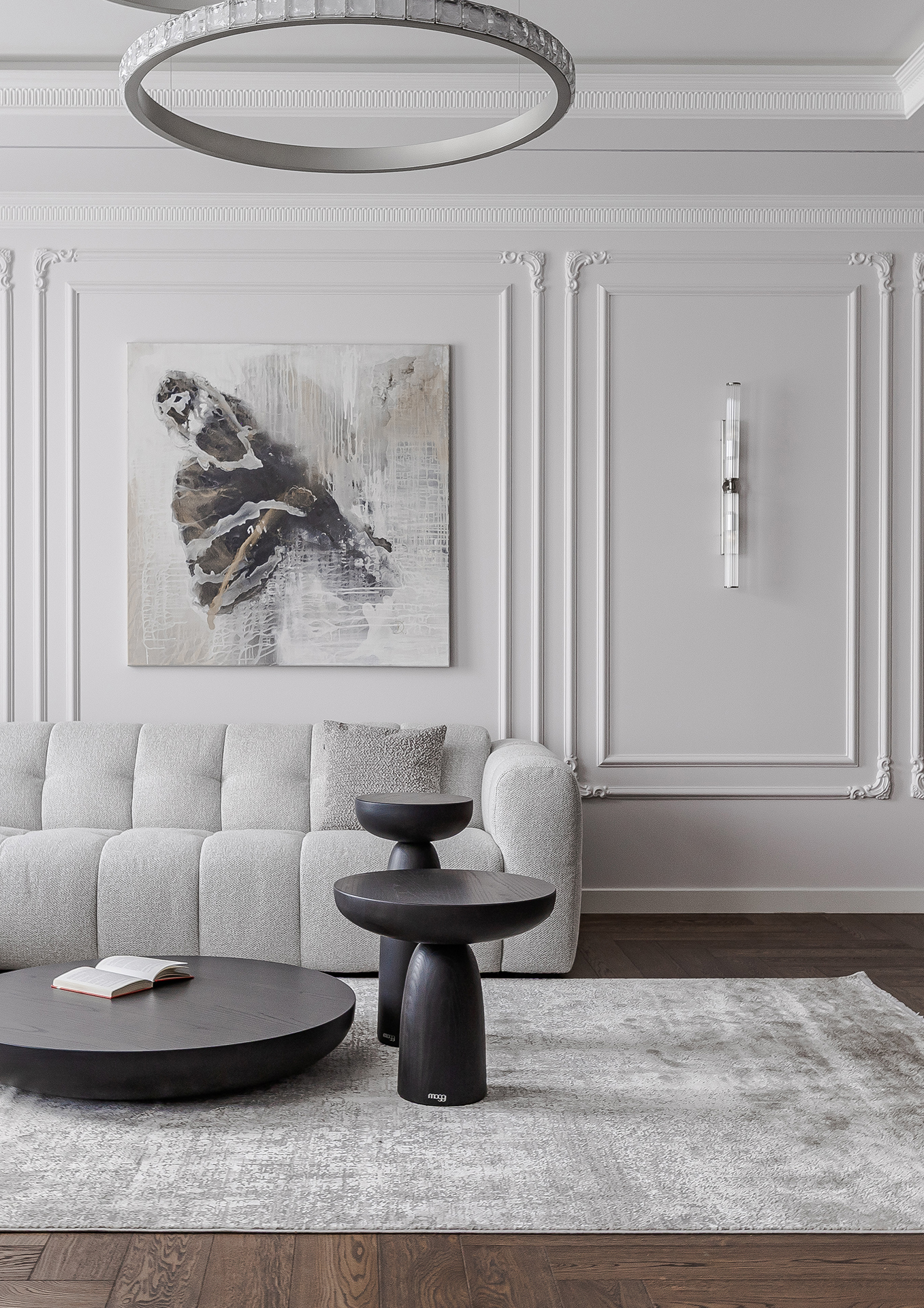
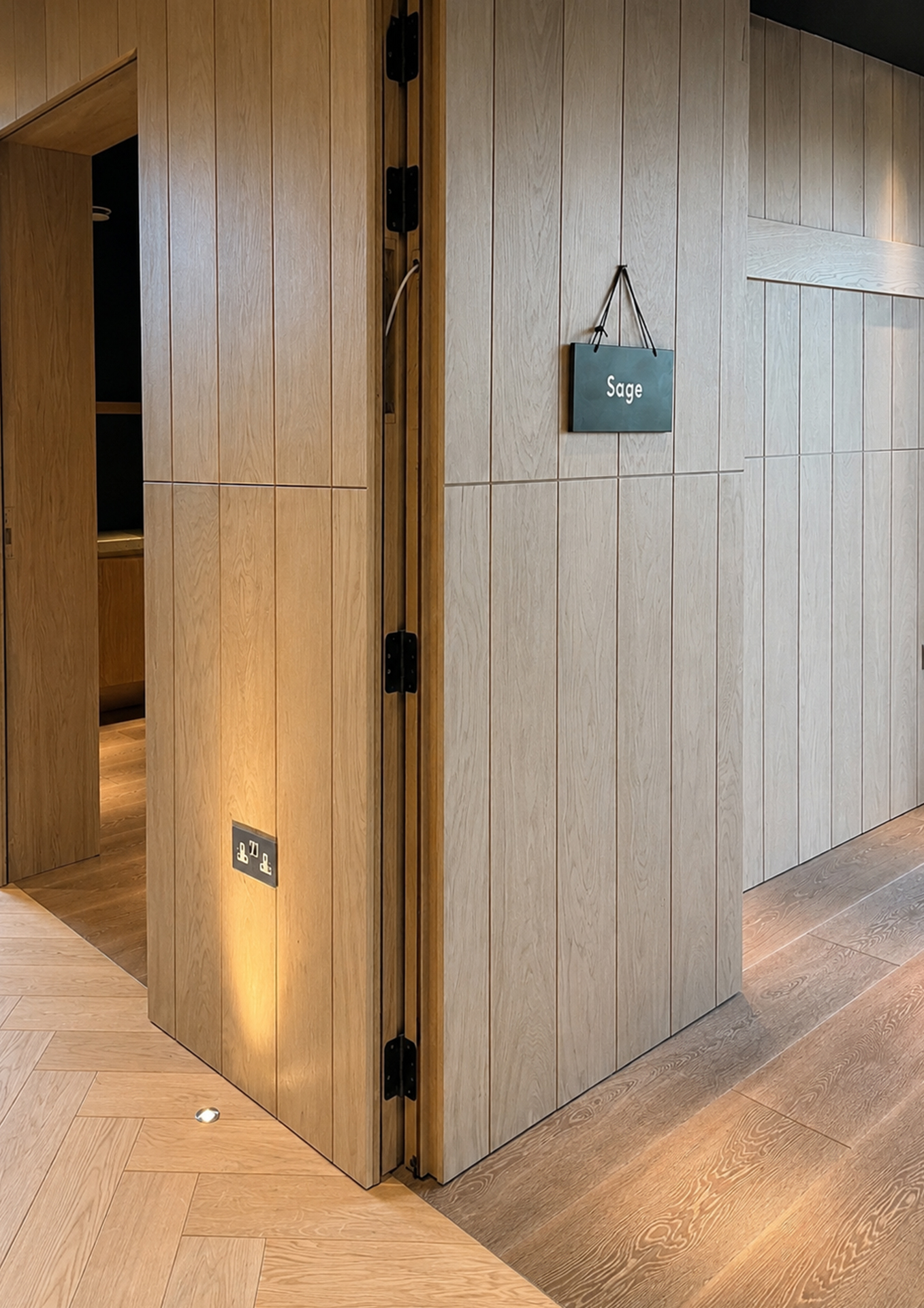
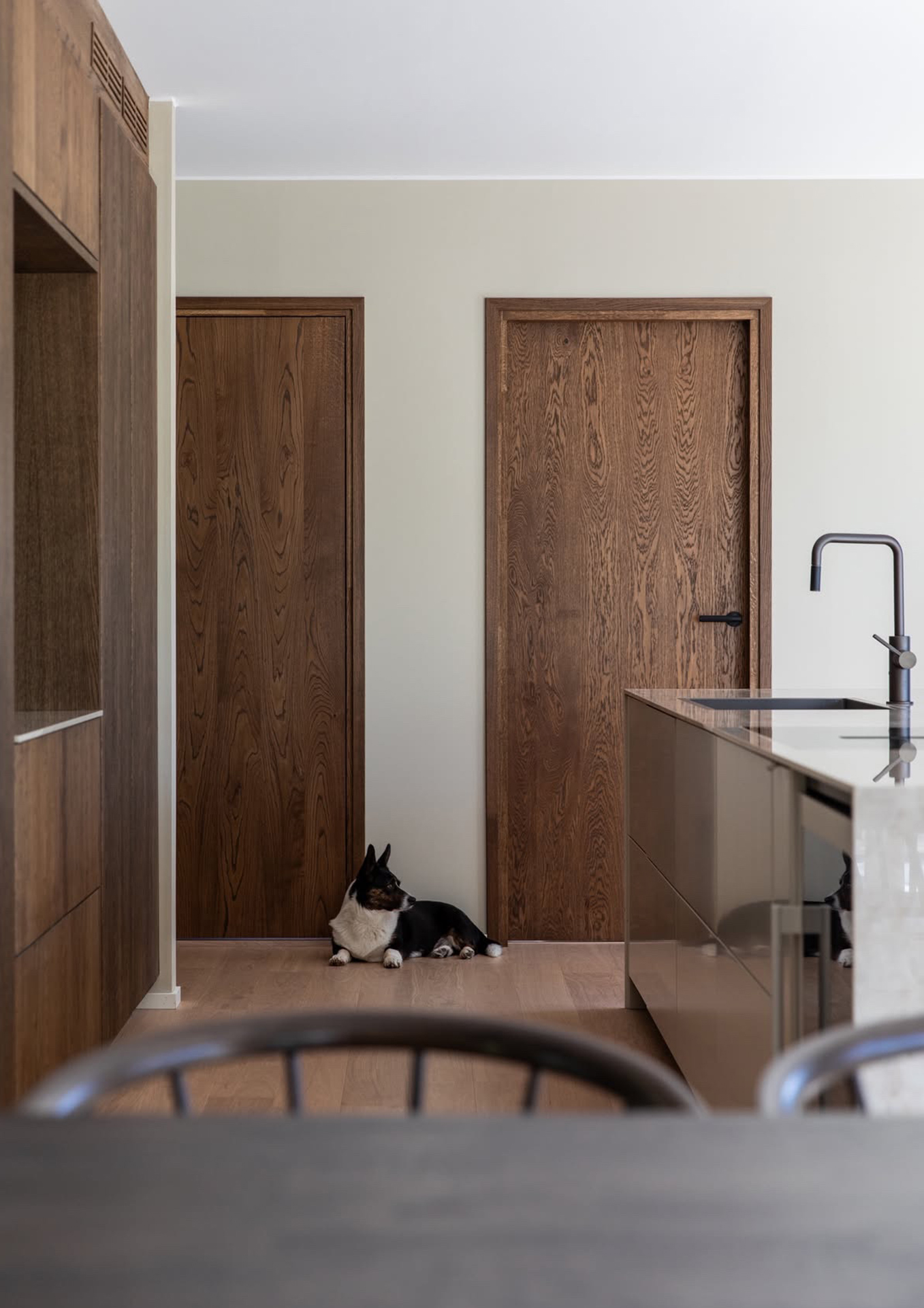
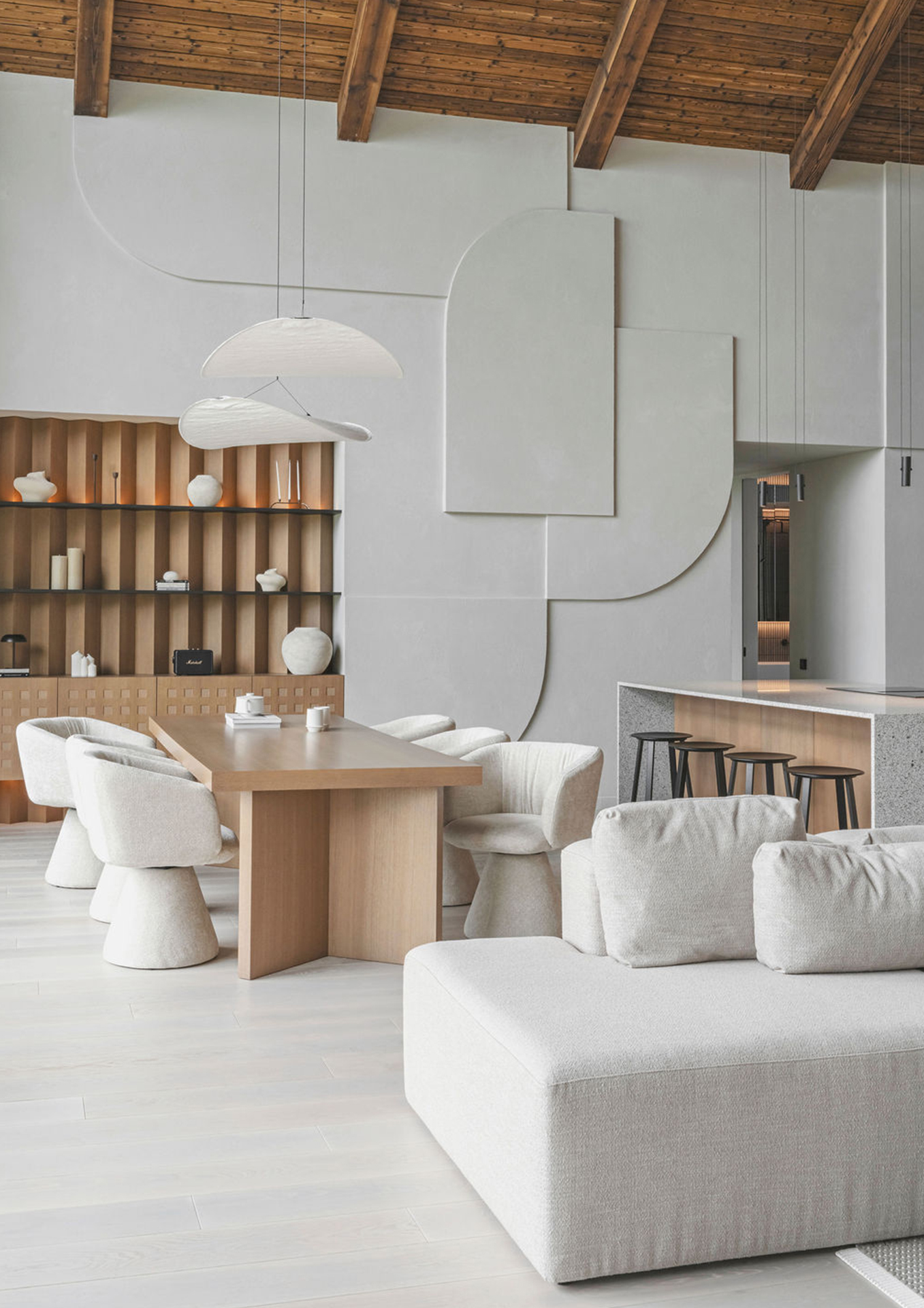
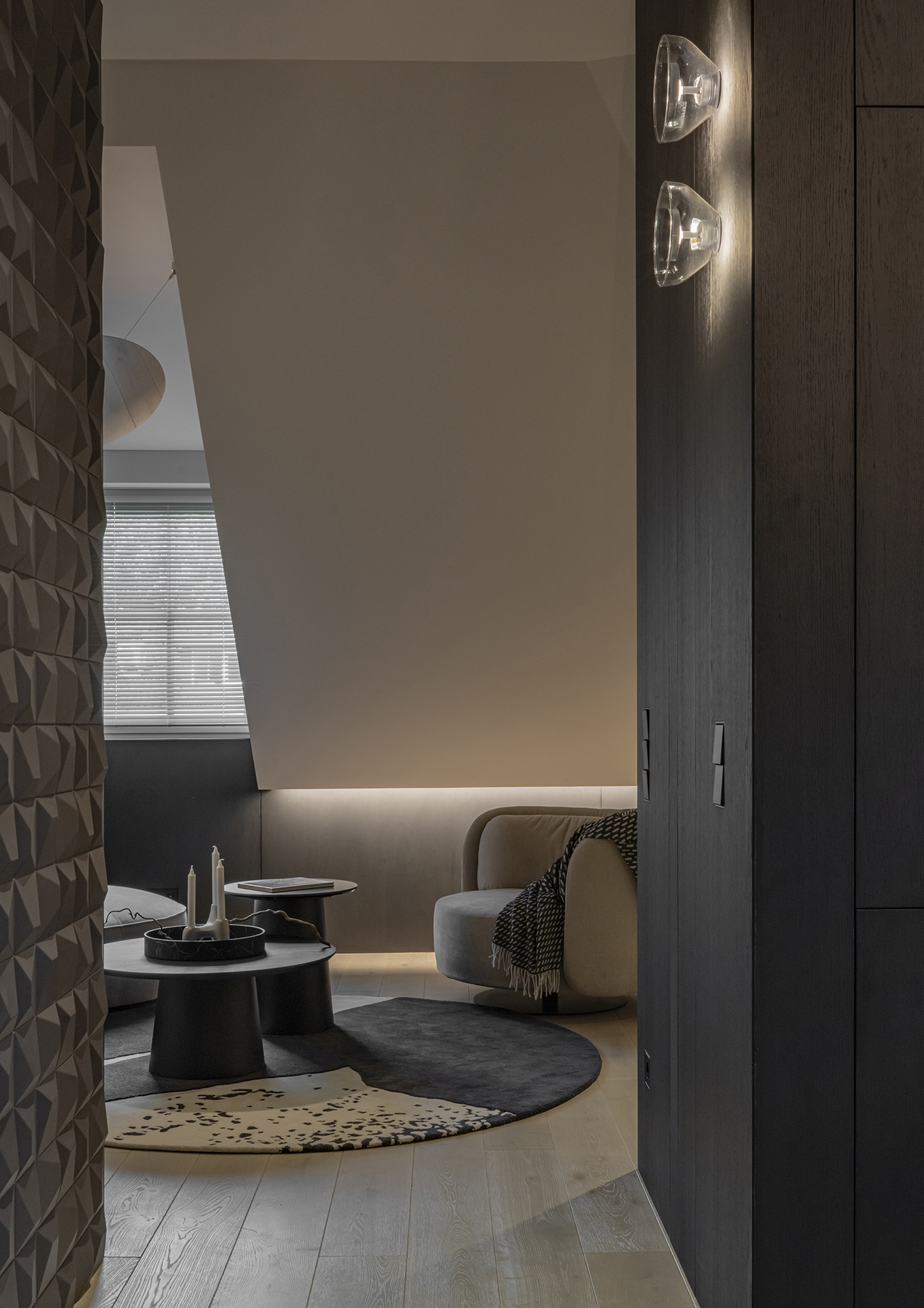
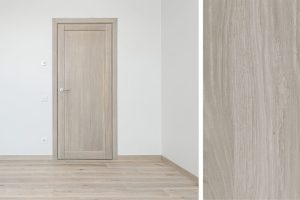
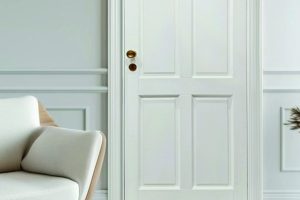
Interior doors are no longer just a functional element. They help define the character of a space, shape the overall atmosphere of an interior, and often become a subtle design feature in their own right.
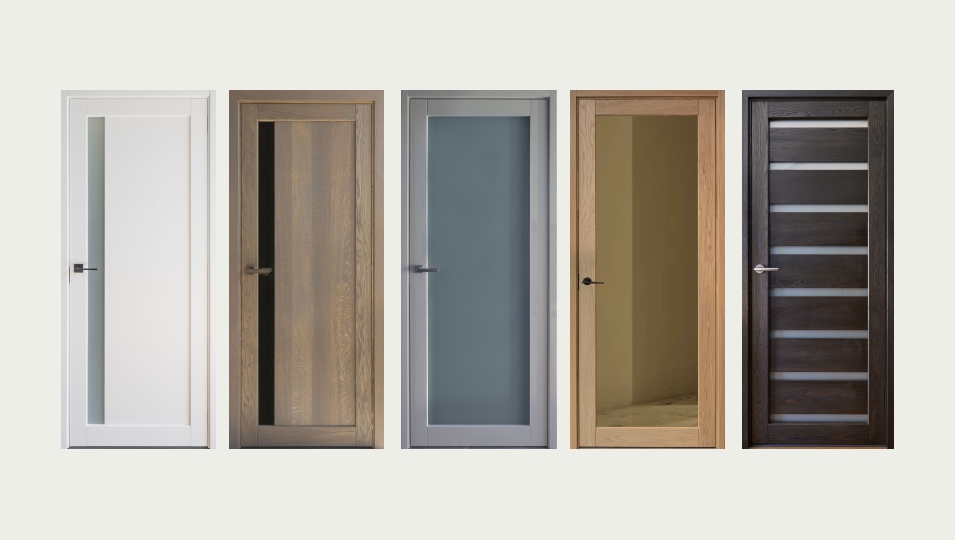
The updated selection of glass options for ECOWOOD doors gives you more freedom to create individual interior solutions. The new range includes clear, frosted, tinted, mirrored, and textured glass, allowing for a variety of combinations — from light, bright, and minimalist to deeper, more contrasting, and more luxurious.
All glass used in our doors is tempered, making it strong, safe, and suitable for everyday use at home.
Glass in Doors: More Than Just Aesthetic Value
When choosing glass for interior doors, it is worth considering more than just its appearance. Different types of glass also affect how the doors function — how much light enters the room, how visible the space behind the door remains, how much privacy is created, and what overall mood the doors bring into the interior.
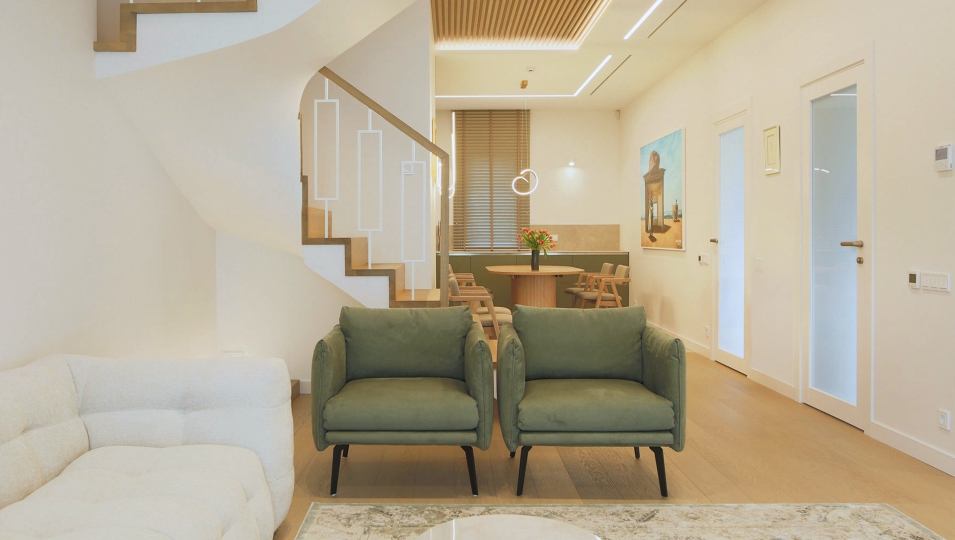
Clear glass opens up the space and allows light to flow freely between rooms. Frosted or textured glass helps soften the view, reduce visual noise, and create more privacy. Tinted glass, such as bronze or grey, adds depth and a more contemporary feel, while subtly enhancing the chosen wood shade. Mirrored glass creates a stronger design statement and works especially well in interiors where a sense of contrast, elegance, or visual spaciousness is desired.
How to Match Glass with the Wood Shade
A simple rule applies: the more natural and balanced the combination of glass and wood, the more timeless and versatile it will be. If the door finish is calm and understated, the glass can become a subtle accent. If the wood has a strong grain pattern or a rich colour, the glass should be chosen more carefully, so the overall look does not feel too busy.
For Doors in Natural and Warm Shades
Bronze glass works especially well with warm, brownish, and natural oak shades, such as our Sand, Cacao, Natural Oak, and similar finishes. It gently softens the view, keeps the overall feeling warm, and gives the doors a more refined look. This is an excellent choice when you want a result that feels warmer, more harmonious, and slightly more luxurious.
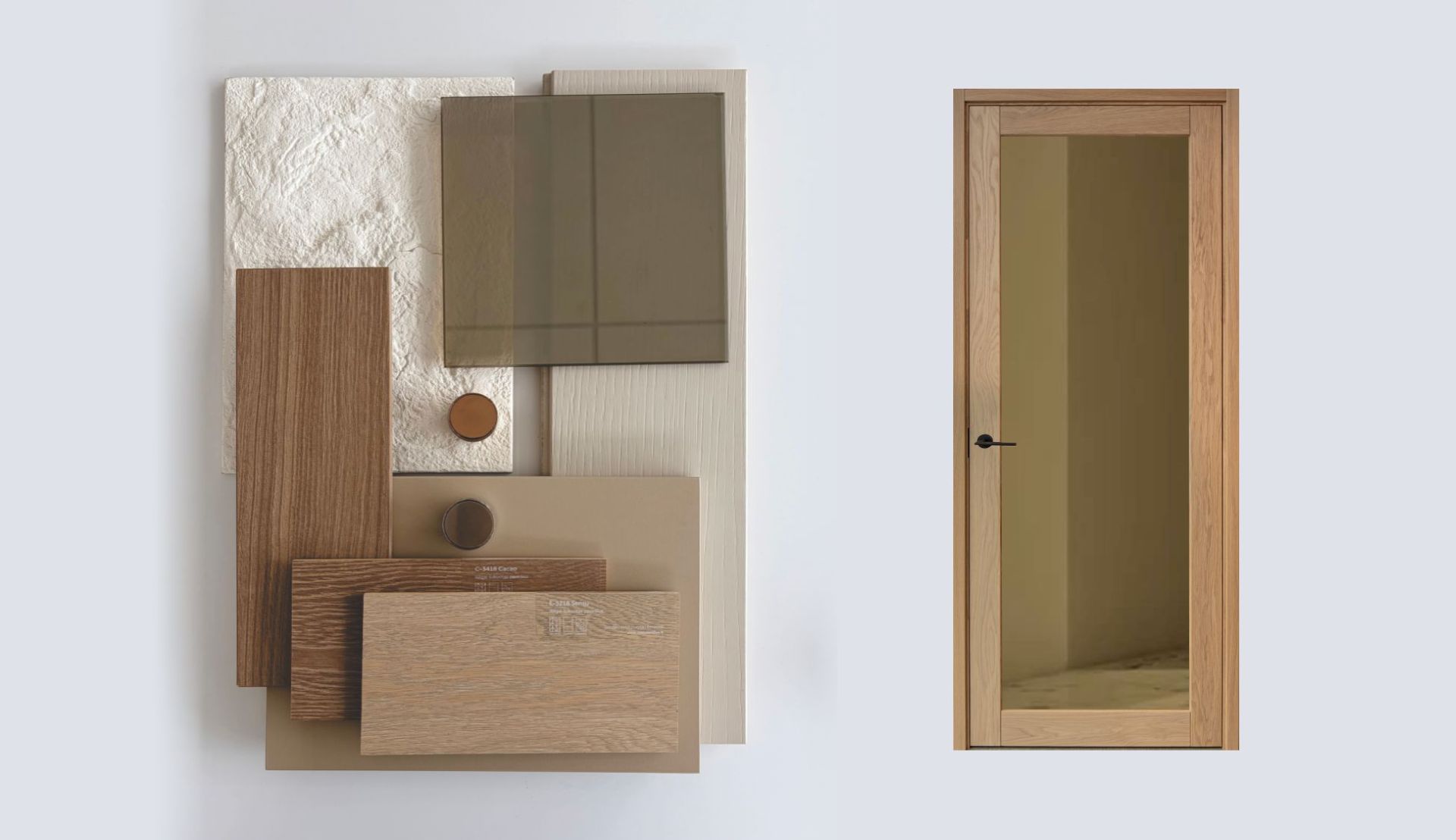
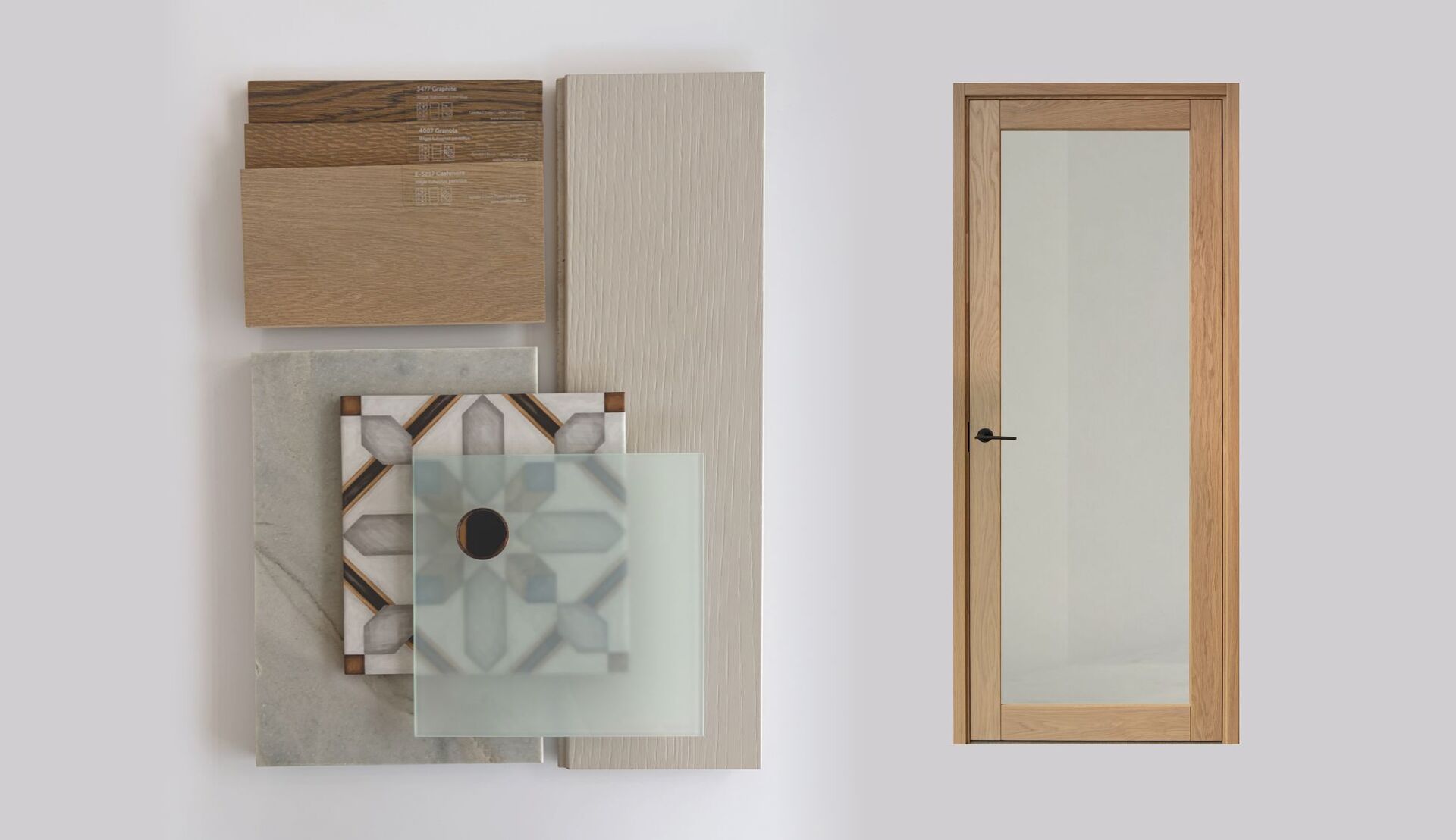
Frosted glass is also a beautiful match for natural wood tones, especially when the goal is a softer, calmer look and more privacy. Clear glass remains a timeless option when you want to keep the space light, bright, and focused on the natural beauty of the wood.
For Dark Doors
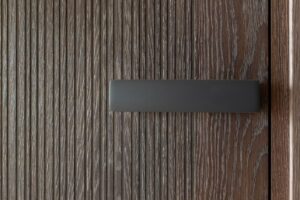
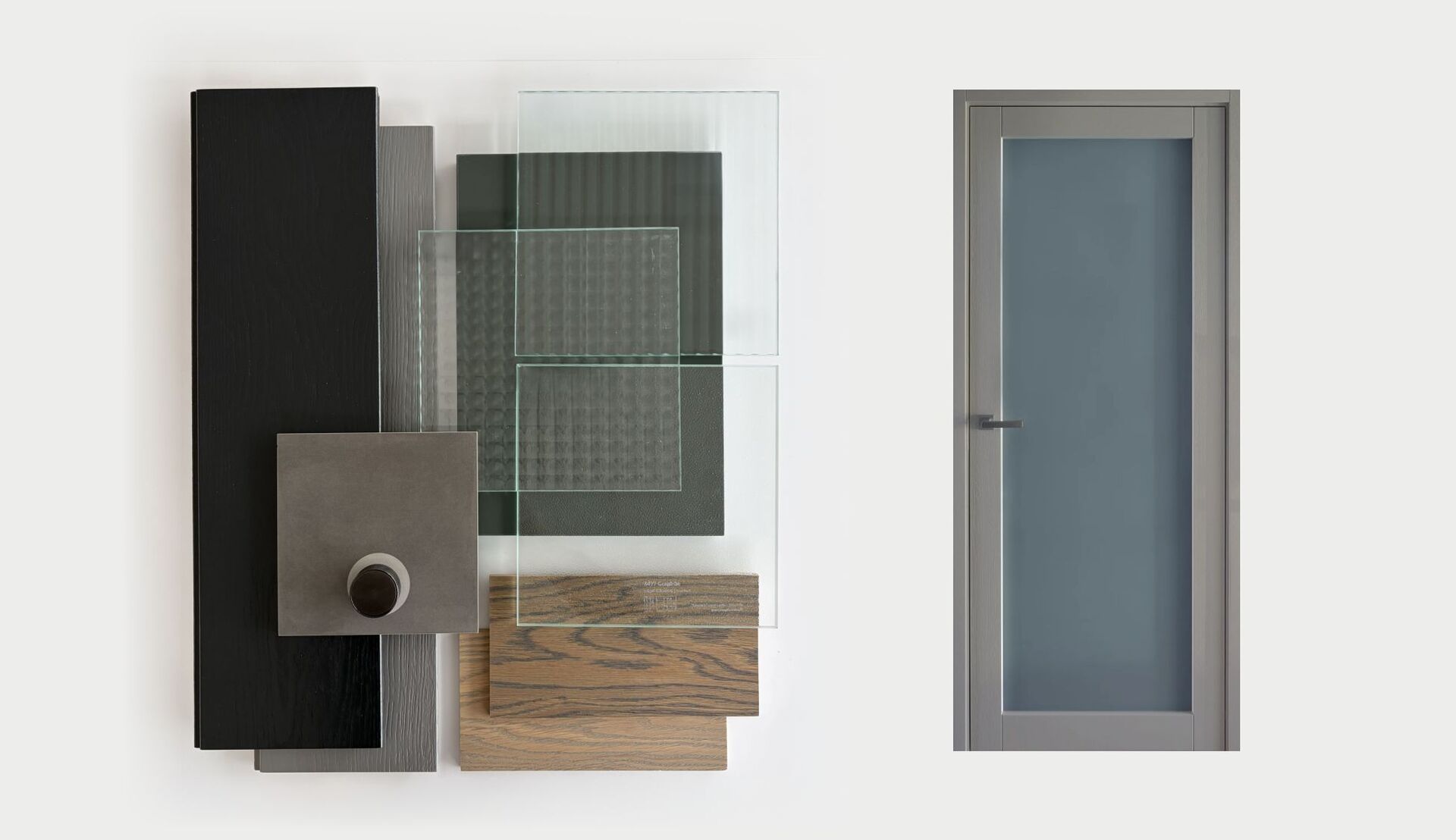
For darker wood shades, such as our Ebony, Graphite, Chiana, and similar finishes, as well as dark painted oak doors, for example RAL 7016, NCS-S-9000, and similar tones, grey, bronze, or mirrored glass are usually the best choices. These combinations create a sense of depth, elegance, and solidity.
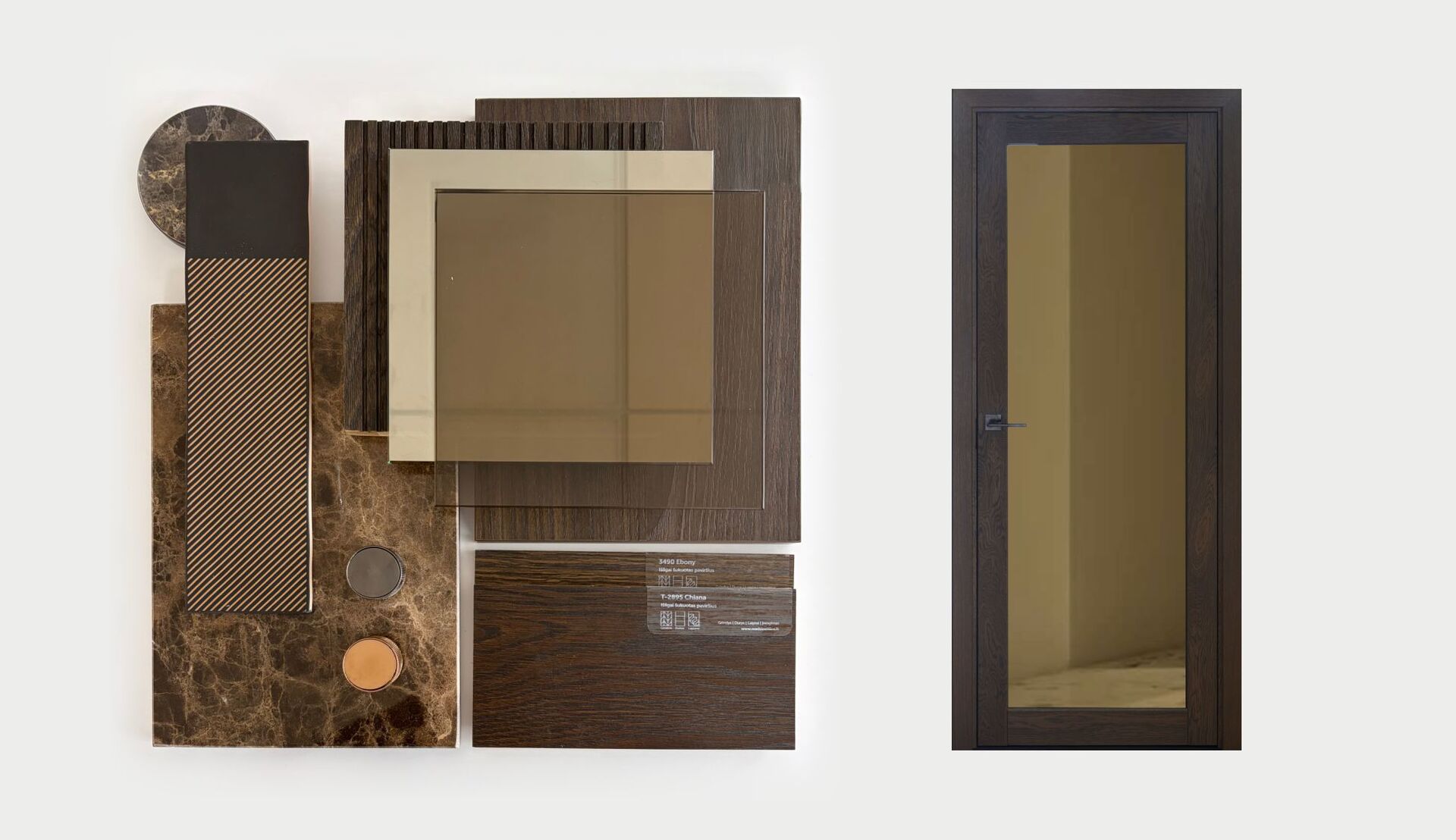
Grey smoked glass is particularly well suited to modern, minimalist, or industrial-style interiors. Mirrored glass combined with dark wood creates a more expressive look, so it should be balanced carefully within the overall interior. Warm lighting, textiles, and softer materials can help prevent the space from feeling too cold or severe.
For Light Painted Door Shades
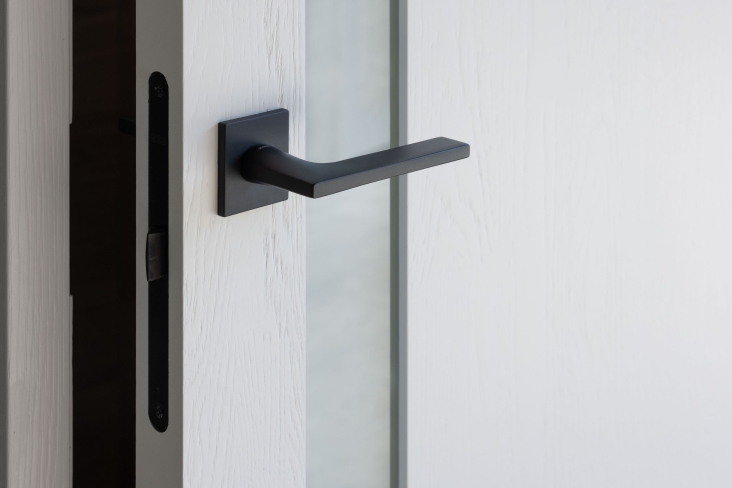
For light, whitened, or greyish painted wood shades, such as RAL 9003, RAL 9010, and similar tones, clear or frosted glass is usually the most natural choice. These options help maintain a sense of lightness, cleanliness, and space. The combination looks especially harmonious in Scandinavian, contemporary, or minimalist interiors.
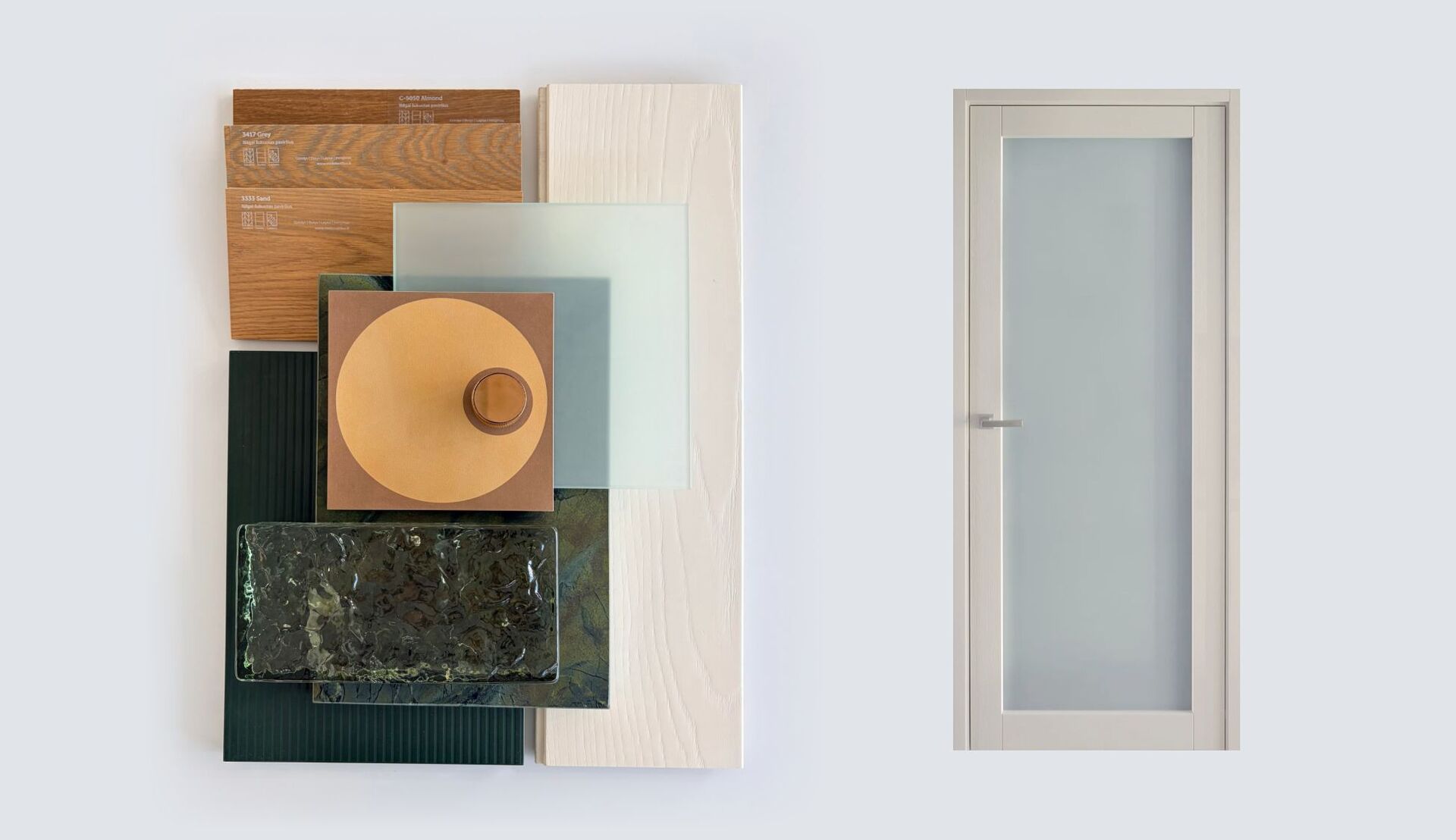
For a more modern accent, softly grey-tinted glass can also work well. It adds gentle contrast without overwhelming the overall look. Bronze or mirrored glass should be used more carefully with very light shades, as the contrast may become too strong or more difficult to balance stylistically.
The Most Versatile Combinations
The most versatile combinations are those that do not dominate the interior but complement the natural character of the doors:
- natural or light wood shades with clear or frosted glass;
- whitened or greyish wood shades with frosted or softly grey glass;
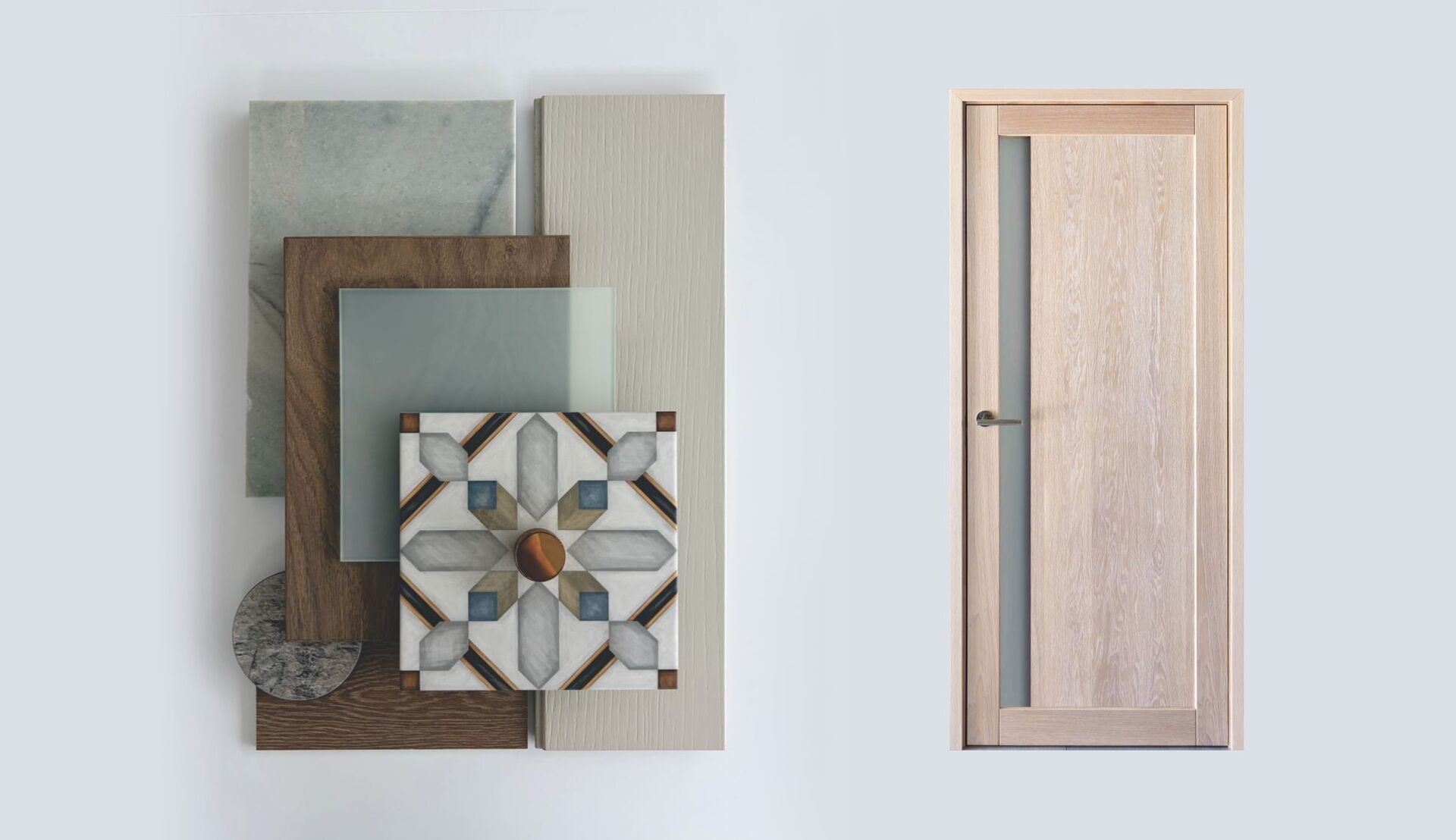
- natural wood shades with lightly tinted bronze glass;
- dark wood shades with grey or bronze glass.
These combinations are timeless, long-lasting, and easy to adapt to different interior styles — from classic to contemporary.
The Combinations That Feel More Luxurious
A luxurious impression is usually created not by boldness alone, but by depth, balance, and the way materials work together. Dark wood with mirrored or grey glass feels elegant, solid, and modern. Warm wood tones with bronze glass create a cosy yet refined effect. Natural oak with frosted or textured glass feels subtle and calm, especially when the aim is not strong contrast but quiet elegance.
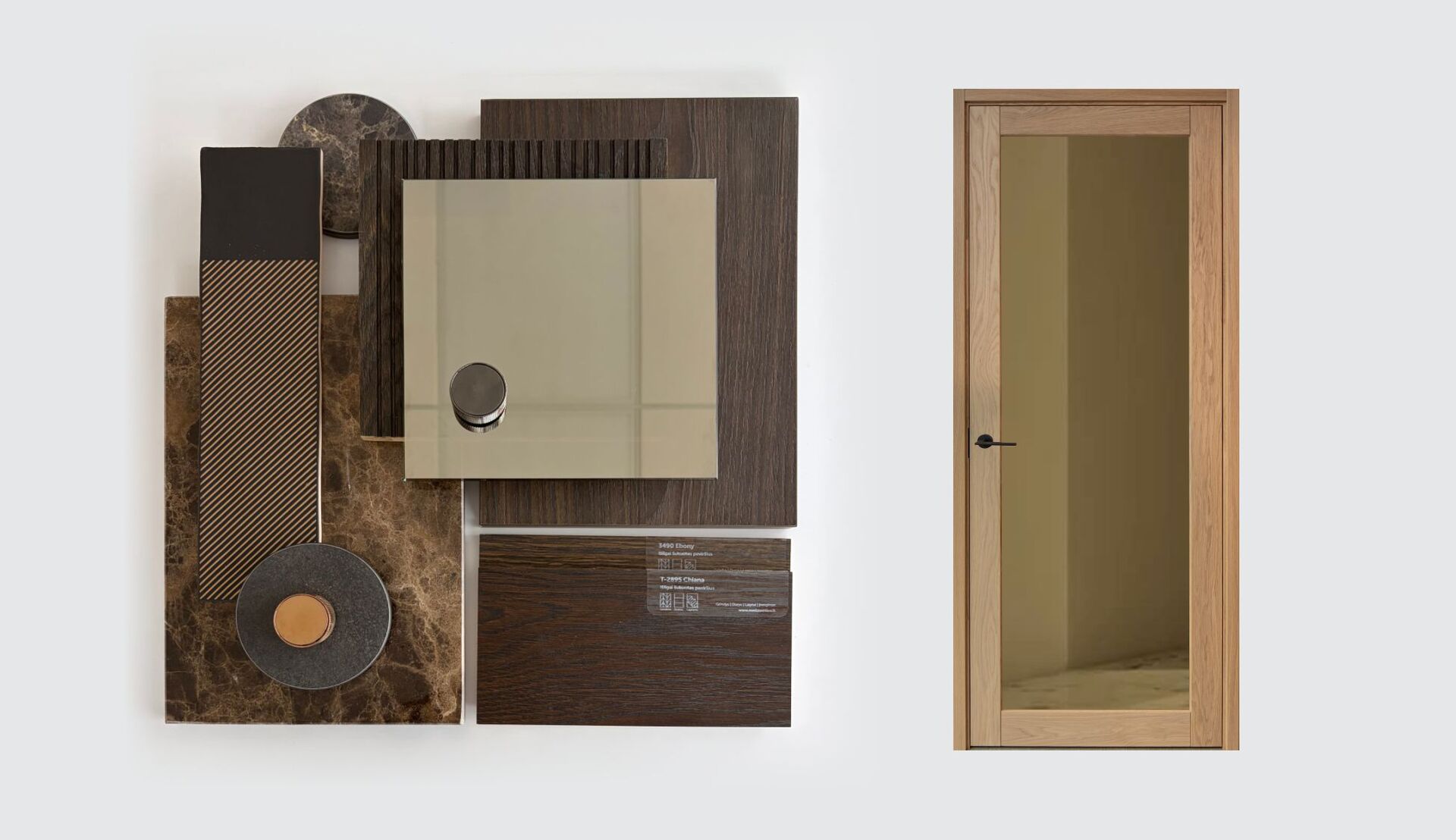
These combinations work best when the glass, wood finish, handles, wall colours, and lighting all come together as one harmonious design.
Combinations to Approach with Care
When choosing glass, it is best to avoid combinations where both the wood and the glass are very expressive. For example, highly textured glass paired with a strong wood grain can create too much visual noise. Mirrored glass next to a very warm, yellowish wood tone may sometimes feel too cold. Brown glass combined with strongly greyed or whitened wood may feel less balanced, as the tones belong to different colour temperatures.
The best approach is to let one element act as the accent, while the other remains more understated. This way, the doors feel cohesive, and the chosen glass complements the interior rather than competing with it.